The Practice Partner

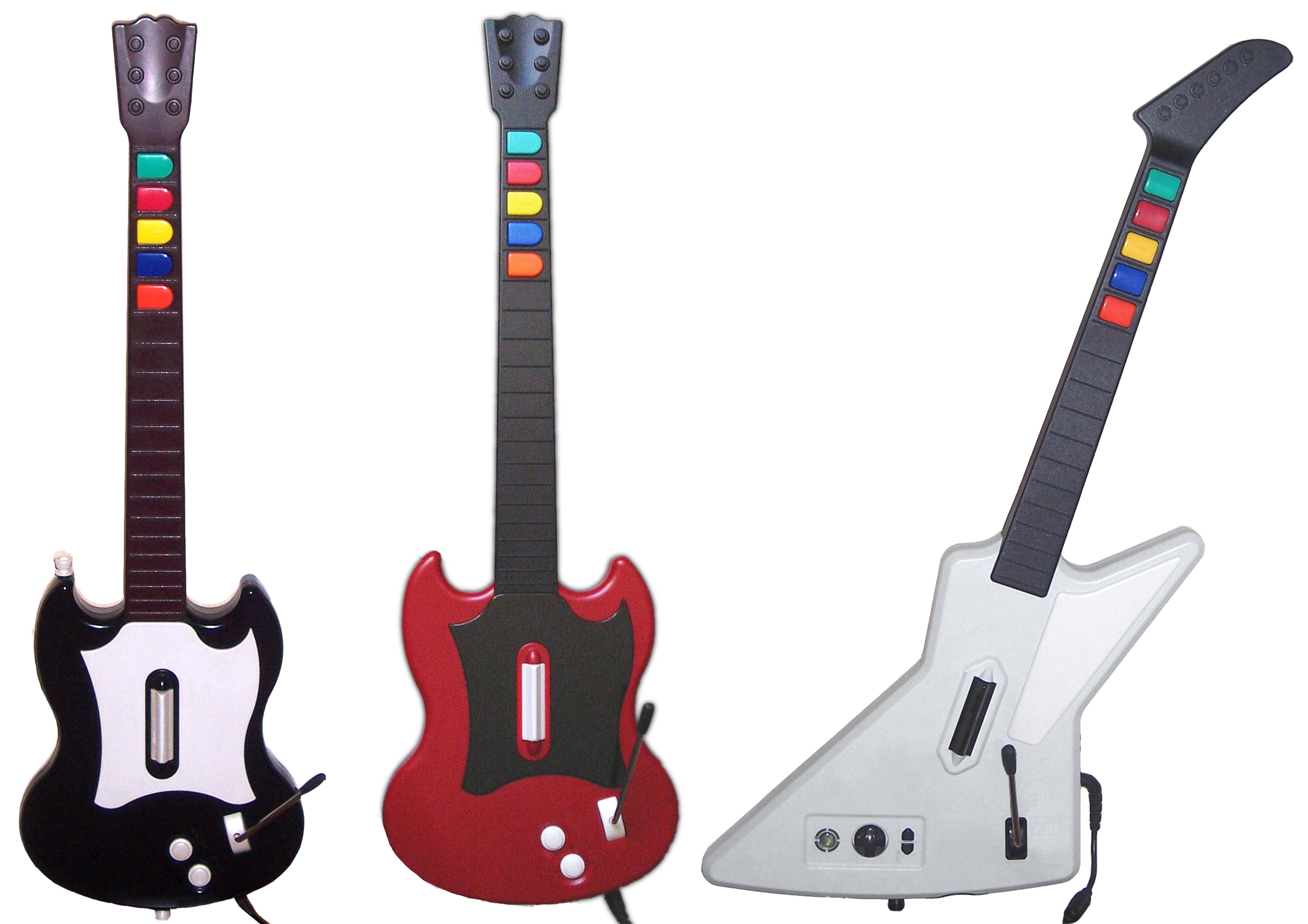
I recently got the game Rocksmith for my PlayStation.  For those that are unfamiliar with gaming, Rocksmith is a spin on a game called Guitar Hero that was really popular a couple of years ago.  What you did was use a toy guitar that looked like this:


And then your game screen looked like this:
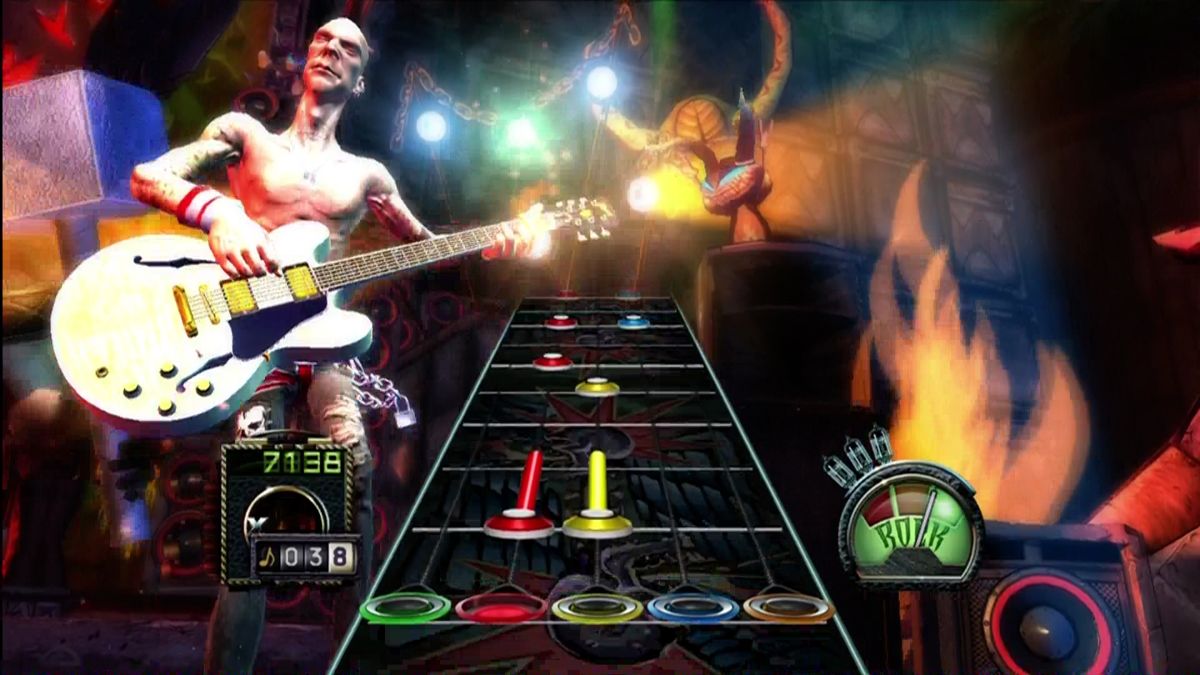


The colored bump you saw on the screen corresponded with the button you were supposed to press on the guitar controller while flicking the switch on the body of the guitar to mimic strumming.  You can see why this was cool.  Plus it made for a great game at parties as your friends cheered on your impressive button mashing skills.

Eventually the fad wore off but a new type of game has entered the picture: Rocksmith.  Rocksmith has the same format but instead of button mashing you have to plug in a real guitar.  Yes, you read that right.  It uses a game to teach real instrument skills.

So argue all you want about the can of worms this opens (can it replace the private teachers, good technique, etc...) but there is a very important bottom line to this game: it's fun.  It makes practicing FUN.  Like, you WANT to do the tedious work that it takes to get better.

As a music teacher I couldn't help but be impressed.  I want all of my families to be taking notes from this game!  Maybe the style of teaching is different but it really cemented in my brain that a successful practice session is all in how you sell it.  Make tedious work a game and it becomes a game.   


Comments

Popular posts from this blog

Interview with Michiko Yurko on Music Mind Games and Sight-Reading in the Suzuki Method

Welcome to Rethinking Genius, Michiko! Please introduce yourself and tell us about your company, Music Mind Games. Hi, Danielle! I am Michiko Yurko and I am the creator of Music Mind Games, a project I have been working on for 40 years. It’s been great! Music and education were important to my parents. Although they followed different professions, my father sang and my mother played the piano. I was always supported in my music and dance lessons and related activities so I have very positive memories of those years. My mom was an elementary classroom teacher and her extraordinary devotion to her students and her creativity taught me to be innovative in my own work. Music Mind Games, LLC was founded in 2005 after Warner Bros (my publisher for nearly 20 years) was sold to Alfred. Although they believed in my work and continue to publish the book Music Mind Games, Alfred said they could not afford to produce the Music Mind Games materials. My husband, Cris and I discussed all sor...

Like Brushing Your Teeth

One of my teacher trainers told me that practicing should be like brushing your teeth. There is never a day when your tooth brushing is affected by other events in your day. The process is completely emotionally detached. I mulled over her words of wisdom for quite some time after she said them to me. What struck me the most was the suggestion of emotionally detaching myself. All my life I have been told that music is supposed to express emotion. So it was almost like it would be wrong to try and strip that away. For me, the teeth brushing example was a very interesting concept. I realized that the level of habitual repetition of that daily routine is rarely achieved in any other life areas. Dishes get put off, vacuuming, shopping for groceries.... but I always make the time to brush my teeth. Always making the time for practice? A lofty ideal indeed.

Interview with Dr. Molly Gebrian on the Neuroscience Behind Block vs. Random Practice

Welcome to Rethinking Genius, Molly! Can you tell us a little about your background in teaching and neuroscience? Thank you for inviting me to do this, Danielle! I was a Suzuki kid myself (I studied with David Einfeldt at the Hartt Suzuki Institute from the time I started at age 7), and I’ve done some Suzuki teacher training, but these days, I’m a college professor teaching at the University of Wisconsin-Eau Claire. I’ve been teaching for about 15 years, from 4-year old beginners, all the way up through graduate students. As far as neuroscience goes, I was a double-degree student at Oberlin College and Conservatory, majoring in viola performance and neuroscience. I had no plans to continue with neuroscience (it was just something I found fascinating, that I did for fun!), but when I got to New England Conservatory of Music for grad school, something was missing. My roommate at NEC, who had also been at Oberlin with me, participated in a study at Harvard looking at musicians’ versus ...